
Infrastructure for Electric Vehicle Ownership
EV Chargers in Westbury and throughout Long Island and the Five Boroughs for residential and commercial properties supporting electric vehicles
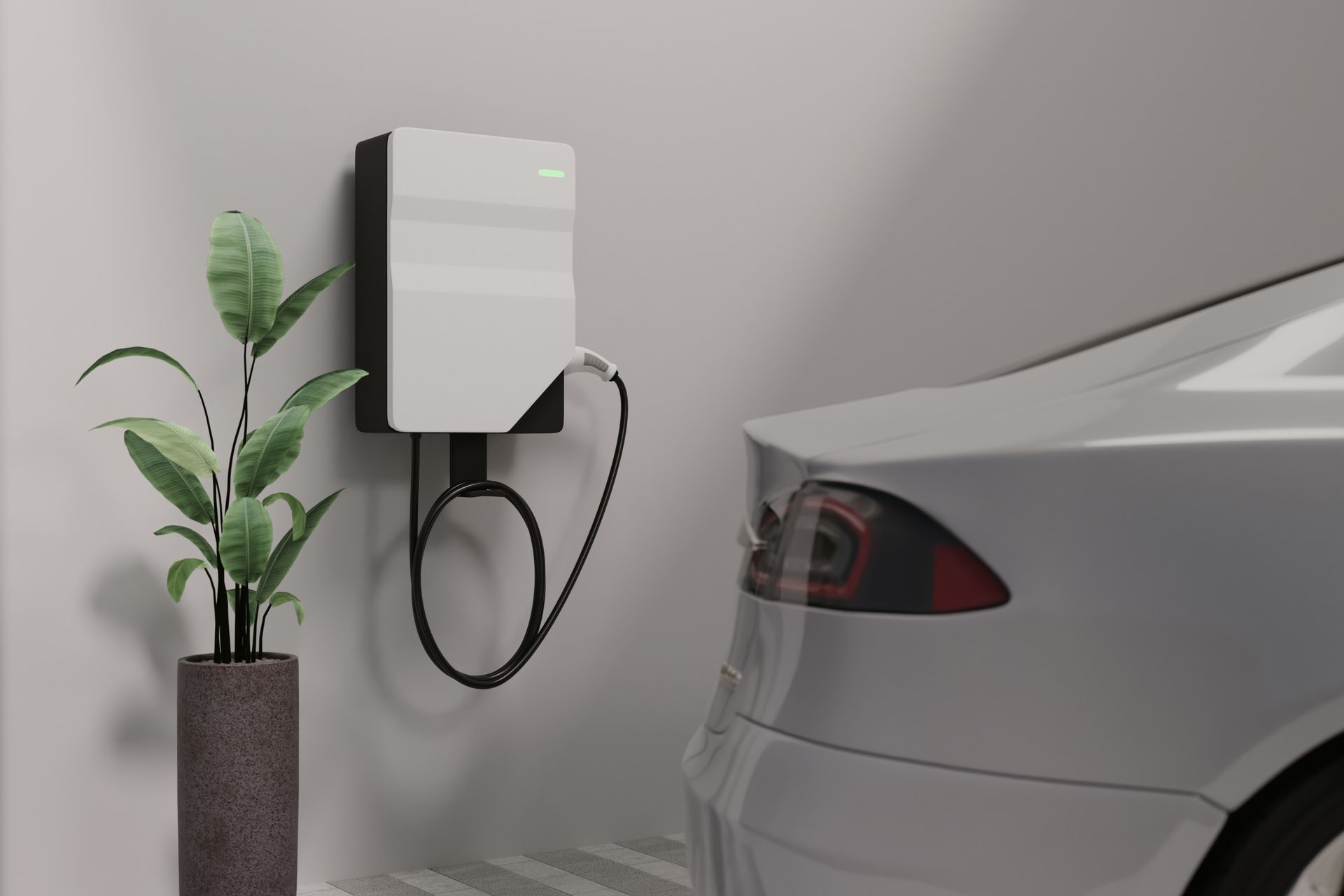
Electric vehicle adoption throughout Long Island and the Five Boroughs has shifted from early-adopter curiosity to mainstream transportation, creating immediate demand for at-home and on-site charging infrastructure that didn't exist in most properties five years ago. Solectric NY LLC installs EV charger systems for homeowners and businesses transitioning to electric vehicles, providing charger setup, electrical integration, and support for convenient vehicle charging without reliance on public charging networks. Proper electrical capacity and safe installation determine whether charging happens in hours or requires overnight sessions, and whether the property's electrical system can handle the additional continuous load without affecting other equipment.
Installation begins with evaluating whether the existing electrical panel can support a Level 2 charger—typically requiring a dedicated 240-volt circuit with forty to sixty amps of capacity—or whether panel upgrades are necessary before charger installation proceeds. The charger mounts in a garage or exterior location near vehicle parking, with conduit-protected wiring running from the electrical panel to the charging unit. Efficient installation processes minimize wall penetrations, maintain weather-resistant enclosures for outdoor chargers, and position equipment to accommodate different vehicle charging port locations.
Request an EV charger consultation to evaluate your property's electrical capacity and determine installation requirements in Westbury, Hempstead, Huntington, and neighboring communities.
The Difference Between Home Charging and Public Infrastructure
Level 2 home chargers deliver seven to nineteen kilowatts depending on circuit capacity and charger specifications, adding twenty-five to sixty miles of range per hour of charging compared to the three to five miles per hour from standard 120-volt outlets. Electrical integration involves installing dedicated circuits with appropriate wire gauge—typically six or eight AWG copper conductors—and breakers rated to match charger amperage requirements. Reliable equipment support ensures that chargers communicate properly with vehicle charging systems and respond to utility time-of-use pricing signals when available.
After installation completes, you charge vehicles overnight in your own driveway or parking area, eliminating trips to public charging stations for routine charging needs. Charging costs drop significantly compared to commercial chargers, vehicles are fully charged each morning without planning charging stops, and property functionality improves for households or businesses operating electric fleets. Long-term charging convenience supports transportation needs as more household vehicles transition to electric powertrains over the next decade.
Installation quality affects charger lifespan and safety—outdoor chargers require weather-rated enclosures and proper conduit sealing to prevent moisture intrusion, indoor installations need adequate ventilation to dissipate heat from continuous charging sessions, and all installations must include ground-fault protection to prevent electrical shock hazards. Charger models vary in features like Wi-Fi connectivity for usage monitoring, adjustable amperage settings to match available electrical capacity, and compatibility with different vehicle manufacturers.
What Property Owners Usually Ask
Homeowners and business managers considering EV charger installations want to understand electrical requirements and charging performance before committing to the upgrade.
What electrical capacity does an EV charger require?
Most Level 2 residential chargers require a dedicated 240-volt circuit with forty to sixty amps of capacity, similar to the electrical demand of an electric dryer or range, which may necessitate panel upgrades in homes with limited available circuit capacity.
How much faster is a Level 2 charger compared to a standard outlet?
Level 2 chargers add approximately twenty-five to sixty miles of range per charging hour depending on charger and vehicle specifications, while standard 120-volt outlets add only three to five miles per hour, making overnight charging from a depleted battery impractical without Level 2 equipment.
Where should the charger be installed?
Chargers are typically mounted in garages within fifteen feet of the electrical panel to minimize wiring costs, or on exterior walls near dedicated parking spaces for properties without garage access, positioned to accommodate the vehicle's charging port location on either the driver or passenger side.
What permits are required for EV charger installation in Westbury?
Electrical permits are required for charger installations involving new circuits, with inspections verifying proper wire sizing, breaker ratings, and ground-fault protection before the installation is approved for use.
How do charging costs compare between home and public chargers?
Home charging typically costs eight to twelve cents per kilowatt-hour depending on utility rates, while public Level 2 chargers often charge thirty to fifty cents per kilowatt-hour, making home charging significantly more economical for routine vehicle charging needs.
Businesses and homeowners throughout Westbury choose Solectric NY LLC for EV charger installations that support electric vehicle ownership with reliable, efficient charging infrastructure. Arrange an installation estimate to determine what your property needs for convenient electric vehicle charging.